The Bedding Edit
Percale, European flax and eucalyptus lyocell. Twenty-eight sheets and pillowcases for people who wake up hot, with the fiber on every one.
By Nyah Brown, Founder




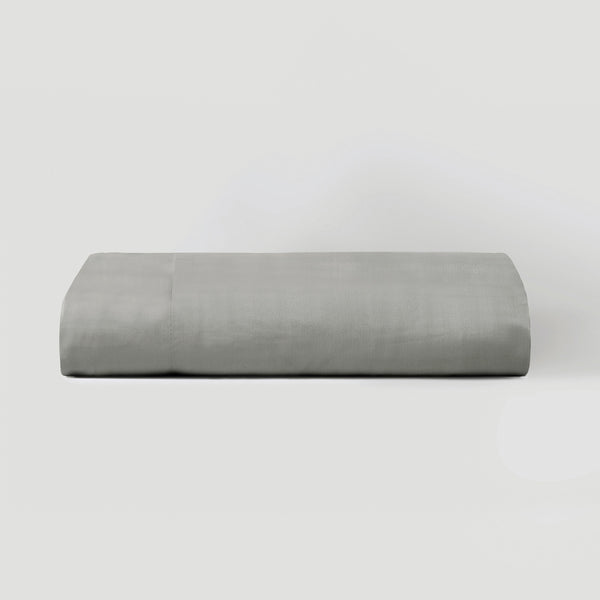


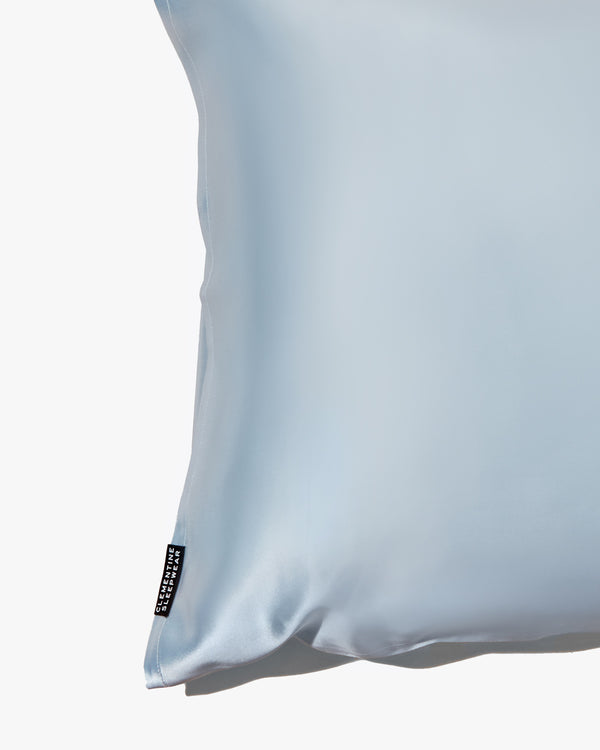
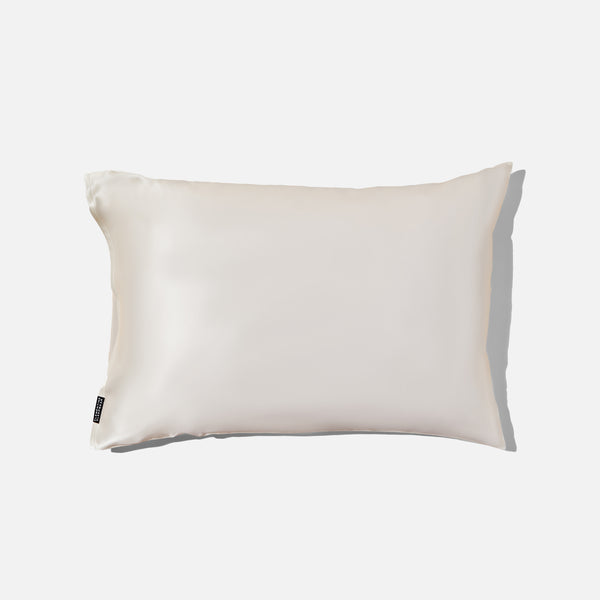


Non-toxic bedroom essentials covers the rest of the room, from the pillow to the wool blanket. Underneath it all, the best non-toxic mattresses are nine beds that tell you what's inside them.
Some products may contain affiliate links.
Frequently asked
Percale in organic cotton, or European flax linen. Percale is a plain over-under weave with air moving through it. Sateen is woven to sit smooth and glossy, which is what makes it feel luxurious and also what makes it hold heat. Linen beats both once you sweat, because its fibers are hollow and it keeps moving moisture after years of washing. Lyocell is the third option and the silkiest of them, though it is a semi-synthetic rather than a natural fiber.
Percale, and it is not close. The two are weaves rather than fibers, so the same organic cotton can be sold either way. Percale crosses one thread over one thread, leaving gaps for air. Sateen floats several threads over one to make the surface reflect light, which closes those gaps. If you run warm, the weave matters as much as the fiber.
Yes, and the gap widens over the life of the sheet. Flax fibers are hollow and wick moisture faster than cotton, and unlike a cotton finish, that does not wash out. The tradeoff is the first season: linen arrives stiff and takes months of washing to reach the softness people buy it for.
Almost never. Bamboo is too coarse to spin into sheeting, so the plant is dissolved into pulp and reformed as viscose or lyocell. Lyocell uses a closed-loop solvent process and is the cleaner of the two, which is why the lyocell sets here score 88 rather than failing. A set labeled bamboo viscose, or bamboo jersey with spandex in it, is a different product and is not in this edit.
Mostly in the wrong direction. Past roughly 400, a higher thread count means more threads packed into the same square inch, which makes the fabric denser and warmer rather than better. Thread count also says nothing about fiber, so a 1,000 thread count polyester sheet is still polyester. Read the composition first and the weave second.
The fiber first, the finish second. A single natural fiber with nothing blended in gives the chemistry the fewest places to hide. After that, look for GOTS, which governs the dye house and not only the field, or OEKO-TEX STANDARD 100, which tests the finished fabric. Wrinkle-free and easy-care finishes are the ones worth avoiding, because they are usually a resin applied to the fabric and they are the reason a sheet still smells of something after three washes.
Sources
Pins Toxome in your Google results, so our reporting shows up first when you search fabrics and brands.
Comments
No comments yet.
That didn't go through. Try again.